What Is the Brown Staining on My Legs?
As we age, skin can lose elasticity and become thinner. Brown staining on the lower legs can be a sign worth understanding.
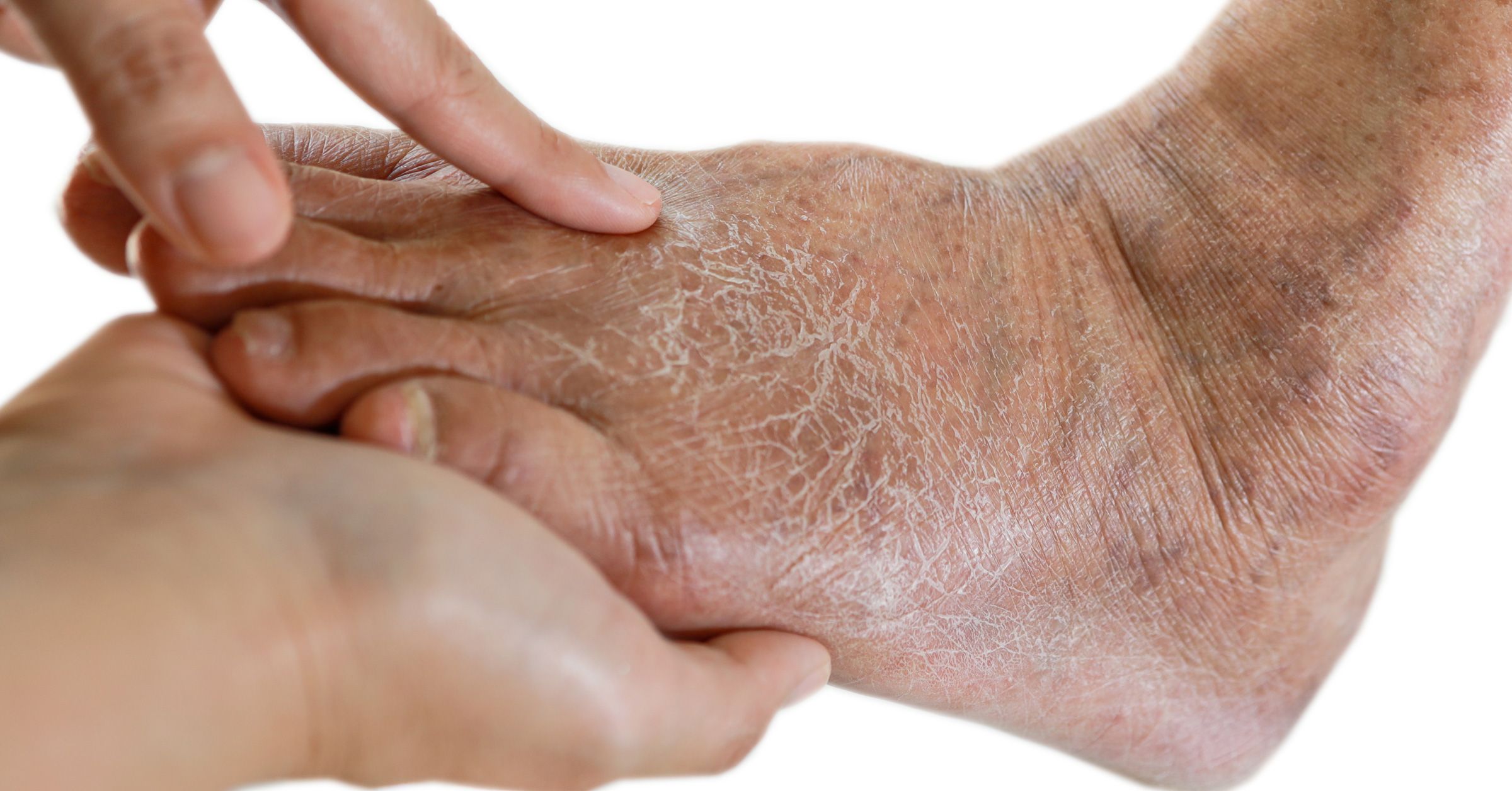
As you get older, it can be normal for skin to lose elasticity and become thinner — but you can also become more prone to brown discolouration on your lower legs, more commonly around the ankle. This is known as haemosiderin staining.
Why it happens
The purpose of haemoglobin, an iron-containing protein molecule, is to carry oxygen. When red blood cells break down, iron is released from the haemoglobin and stored as haemosiderin. Haemosiderin can accumulate underneath your skin due to venous insufficiency — when the veins are not able to pump blood back to the heart properly. This blood pools in the vessels in your legs and feet, which can cause brown or black discolouration.
Who is at risk of haemosiderin staining?
You may be more prone to haemosiderin staining if you suffer with:
- Poor circulation due to cardiovascular disease
- Vascular insufficiency
- Diabetes
Is haemosiderin staining dangerous?
Although the pigmentation itself is not serious, it can be indicative of conditions that can trigger skin infections, or complications such as leg ulcers. The stained skin can often be dry, fragile and prone to breaking down, so regular use of an emollient-based moisturiser will help to hydrate the skin.
When to see your podiatrist at Chiltern Wellbeing
Mild cases of haemosiderin can often disappear or lighten over time. However, it is important to see your podiatrist or doctor to check your blood circulation and rule out any other underlying conditions. Early identification of the cause can prevent other symptoms of vascular insufficiency. We advise that you check your feet regularly for any changes — initial symptoms may present as skin flaking, itching, bleeding or redness.
To help improve your circulation, we advise our patients to:
- Take regular exercise, including walking, jogging, swimming or cycling
- Elevate your legs when sitting down
- Maintain a healthy weight
- Avoid long periods of sitting or standing
If something doesn’t feel right, don’t put up with it. Book an appointment with our HCPC-registered podiatrists and we’ll get to the root of the problem.