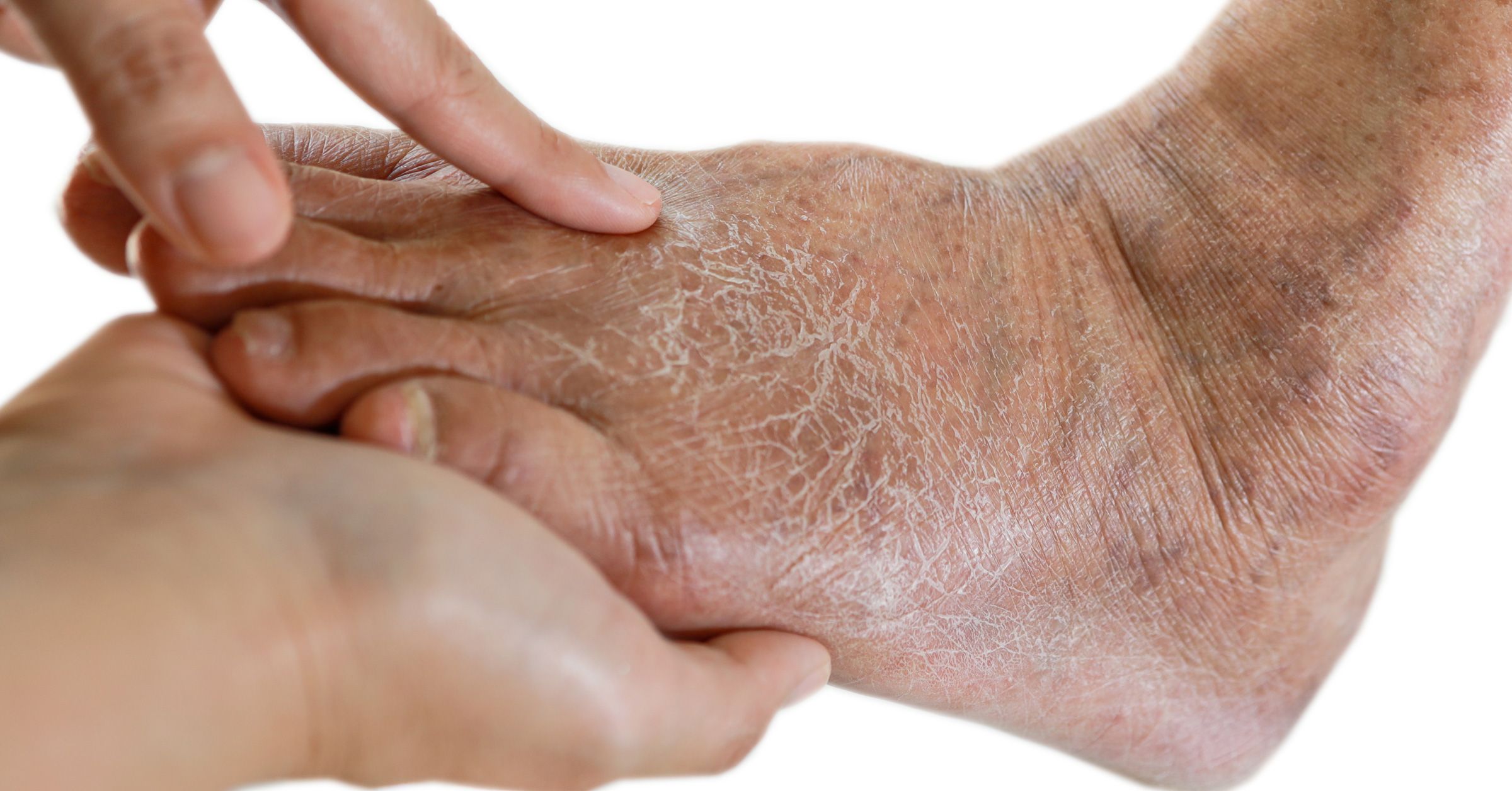
Morton’s Neuroma
Persistent pain and burning at the ball of your foot, or the feeling of walking on a pebble? It could be Morton’s neuroma.

Are you having persistent pain and burning at the ball of your feet, or feel like you are walking on a pebble? If so, you may have a Morton’s neuroma. Read how our expert podiatrists at Chiltern Wellbeing Foot and Ankle Clinic can help you.
What is a Morton’s neuroma?
A Morton’s neuroma is a painful growth of nerve tissue in the foot, most commonly found between the heads of the third and fourth metatarsals — the long bones in your feet. When the metatarsals compress together because of foot deformities, high-impact activities or tight shoes such as heels, the nerves between them become irritated and swollen.
What are the symptoms of Morton’s neuroma?
Morton’s neuromas often feel as if you are walking on a pebble. You may experience radiating, tingling sensations shooting into your toes, typically the third and fourth toes. As a neuroma worsens it can become extremely painful, and it is one of the more difficult conditions in the foot to resolve.
What causes Morton’s neuroma?
Factors that appear to contribute to Morton’s neuroma include:
- High heels — wearing high-heeled, tight or ill-fitting shoes can place extra pressure on your toes and the ball of your foot.
- Certain sports — high-impact activities such as jogging or running may subject your feet to repetitive trauma.
- Sports that feature tight shoes, such as snow skiing or rock climbing, which can put pressure on your toes.
- Foot deformities — people who have bunions, hammertoes, high arches or flat feet are at higher risk.
Treatment options
Footwear
Many people experience relief by switching to lower-heeled shoes with wider toe boxes. Wearing a rocker-soled shoe or trainer from brands like HOKA or FitFlop can also help.
Orthotic therapy
Following a digital gait analysis and biomechanical assessment, custom-made orthotics like our 3D-printed Phits orthotics are made to improve your foot mechanics. This addresses the cause of the Morton’s neuroma and relieves the pressure on the nerve, which in turn reduces your pain.
Laser therapy
MLS Class 4 laser is a painless, non-invasive treatment that:
- Reduces pain and the swelling of the nerve
- Reduces inflammation
- Speeds up the healing process
- Increases the speed of nerve regeneration
Surgical options and other procedures
If conservative treatments have not helped, your podiatrist might suggest:
- Injections — some people are helped by the injection of steroids into the painful area.
- Decompression surgery — relieving pressure on the nerve by cutting nearby structures, such as the ligament that binds together some of the bones in the front of the foot.
- Removal of the nerve — surgical removal of the growth may be necessary if other treatments fail, though it can result in permanent numbness in the affected toes.
If something doesn’t feel right, don’t put up with it. Book an appointment with our HCPC-registered podiatrists and we’ll get to the root of the problem.